Build the Brand Everyone Talks About
Welcome! I'm Cindy, a marketing strategist, fractional leader and strategic advisor to values-driven companies who want to tell their story better.

Steal my social-first content system.
Struggling to feed the content beast? Here’s my go-to framework for crushing social-first content.
Run a 14 day content creation cycle.
Day 1-3: Confirm concepts
Day 4-8: Film + Edit
Day 9-10: Review collaboratively
Day 11: Contingency/reshoots
Day 12-14: Approve, schedule
Day 14: Review last cycle’s wins + opportunities
Practice for 3 months consistently.
Show up with an experimental mindset.
Test and learn.
This consistent rhythm will deliver results and lighten the mental load for you + your team.
✦ Send this to a friend ✦
Gen Z Is Nostalgic for a Time Before Instagram
“1995-2000 — those years were a party” my friend said over dinner in Soho last week.
“Anemoia” I replied. “It means nostalgia for an era you never experienced.”
Up to 50% of Gen-Z and 47% of millennials feel nostalgia for media of the past — 1990s sitcoms, Y2K, retro graphics — times when life wasn’t lived online.
There is a yearning for the fun, care-free lifestyle of the past, before social media.
For brands, the answer isn’t to jump on visual trends. It’s about asking whether your next piece of content makes your audience feel relaxed and supported, or does it add to their anxiety?
✦ Send this to a friend ✦
18 Ways to Increase Your Luck Surface Area.
Want to hear the story of the last client I signed?
My friend met his neighbor in the laundry room of his apartment building in Brooklyn. The neighbor had a startup and needed marketing help. Months later - I’m helping with her GTM.
Networking is weird.
The job market is tough.
Opportunities come from unlikely places.
Connections, trust and rapport.
As someone reading this article, you’re probably in the top 5% best educated and most employable people in the world.
Here’s 18 outreach tactics to make job hunting actually fun:
Send a complement to writers, creators, leaders you love
Rekindle old connections with colleagues, college friends…
Host a webinar for free
Become a mentor
Take all the expertise in your brain and make it into content.
Join a community
Offer to write for a newsletter with the same target market as you
Go to events!!!!
Make a list of 20-50 dream clients
Engage with your target market on social media
Write an e-book about how your industry might look in 10 years
Tell a smart friend your career story. Ask them to re-write your bio. (really helps articulate your value)
Guest lecture for an online course or university
Host a free workshop
Follow fundraising news in your niche
Look for hiring signals at companies in your industry (companies who hired multiple people L90 days, hired a new exec…)
Make a list of 25 fears or challenges your customer is facing. Then list all the ways you can help them.
Read a book about someone whose career you admire and follow their blueprint.
✦ Send this to a friend ✦
PS. “Luck surface area” is one I learned it from Amanda Goetz.
Bumble, Timeleft, Sweatpals: A Market Map for Paid Community 2.0
Let's talk about the rise of paid community platforms. What's the cultural shift fueling connection commerce?
Investor-backed players are scaling in this area. TimeLeft is the poster child for this category. They've raised around $7M in investor dollars, and their app connects 60,000 strangers every month. Users pay $16 to be matched by an algorithm with strangers, then meet for dinner at a local restaurant.
Bumble, the app known for one-to-one matching - originally for dating, is heavily focused on friendship building. They recently acquired Geneva, a community-focused app, and now they’re using the acquired tech to relaunch the Bumble BFF app.
Sweatpals is another new platform where users can build community for fitness meetups.
TimeLeft's mission is to "restore belonging to our cities," and there's certainly a need for more connection. Researchers are calling our current state a "friendship recession." From 2014 to 2019, the average American's weekly social time with friends dropped by 37%, and in 2023, the US Surgeon General declared the loneliness epidemic a public health crisis.
Will these platforms really solve for connection?
Connecting in groups for specific events or exercise could be a great way to meet new people. If you just moved to a new city or country, these apps are a great tool to have in your toolkit.
These platforms are likely a strong business model because they're tech products—as opposed to physical "third spaces" with high overhead costs.
Critics argue these platforms reduce authentic human connection to an economic transaction. Some users describe feeling "sized up for usefulness" at meetups.
A study from Jeffery Hall in 2018 at the University of Kansas found people need to spend 40–60 hours together to move from an acquaintance to a casual friend and 200 hours to become a close friend. This suggests meetup platforms that facilitate a one-time meetup might be ineffective.
When an investor-backed startup is built to scale rapidly, can they be aligned with the slower, authentic act of making friends?
Will these platforms fulfill their missions for connection? And will they become successful businesses along the way?
✦ Send this to a friend ✦
I made a big pricing mistake on my first startup.
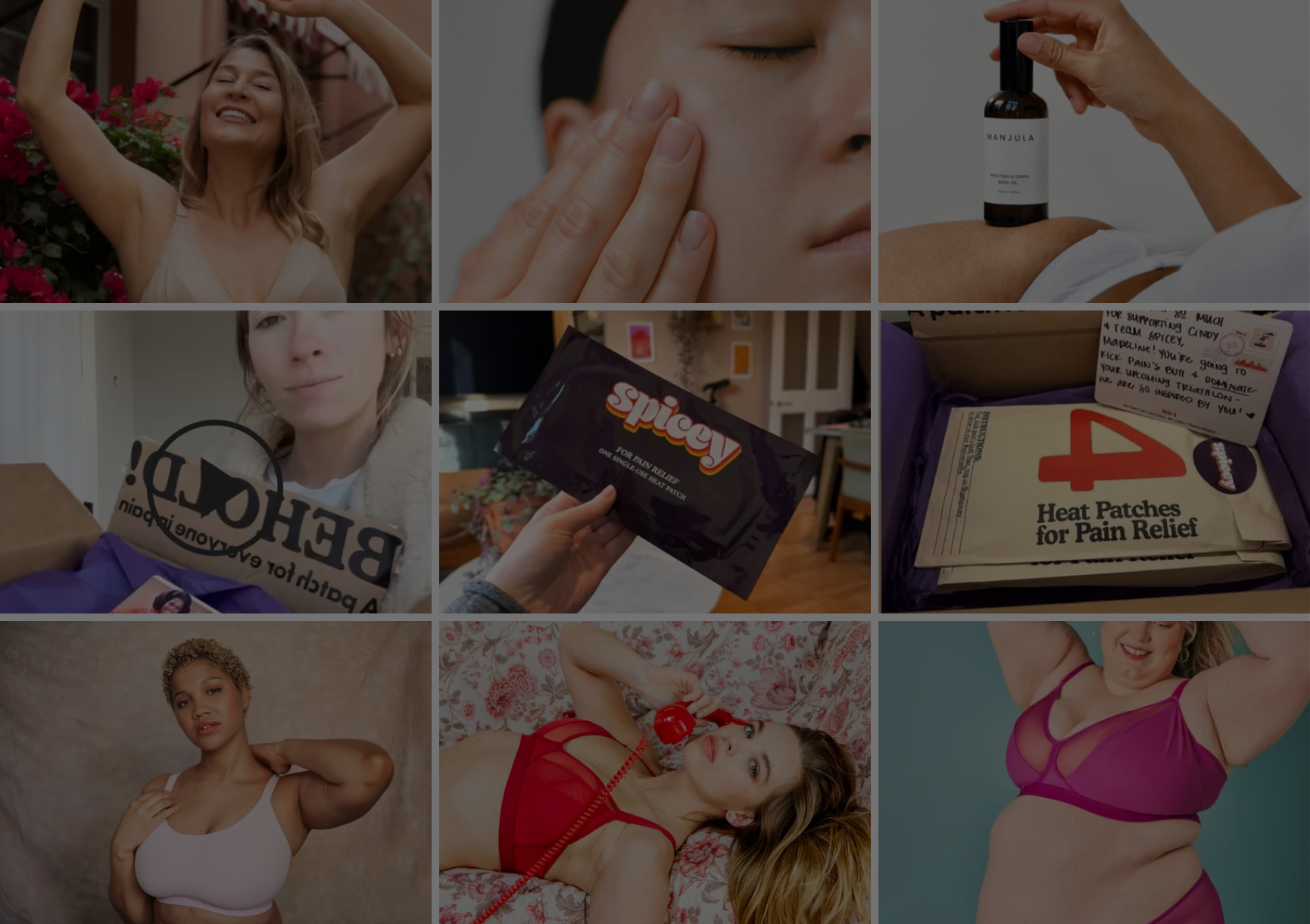
The business was a women’s intimate apparel brand with eco, size-inclusive products, and we scaled mainly through Instagram.
Sales growth was healthy, but I wanted things to grow faster. Our annual one-day sale was always the most successful day of the year, and I noticed occasional social media comments saying prices were too high.
I decided we would lower prices by 10-15%, and these anecdotes were all the evidence I needed that this was the right decision.
Did our sales increase? Yes—for two weeks. Then they dropped to the same volume as before, so we were selling the same number of units, and now less profitably.
After a few sleepless nights, I reached out to a third party analytics company. They charged us what felt like an arm and leg to analyze our customer information, but it was completely worth it because we learned an invaluable lesson.
As it turned out, our most loyal customers (15% of our customer-base) were in the top 2% wealthiest women in the country.
Lower prices didn’t serve my super fan customer. She needed world-class service, faster delivery and in-person experiences, and she was willing to pay more for it.
There are several lessons here:
Know your most valuable customer and serve them.
Make data-driven decisions and avoid founder bias.
Brand fans on social media and your best customers might be different cohorts.
✦ Send this to a friend ✦
Pick an audience. Just one audience.
Nearly every business I work on, there's a brilliant founder who loves their product and can talk for days about all the use cases to serve every human under the sun.
I love the passion and the eagerness for everyone to try their product, but this doesn't make a marketing strategy.
A marketing strategy is created by finding the white space, which usually goes something like this:
What cohorts could use your product? List them.
Of those cohorts, which one will buy most? Refer friends? Be most profitable? This is your ICP. 2a. Not sure? Talk to real people to find the answer.
What's the psychographic (mindset + emotions) of your ICP?
Build a brand perfectly tailored to your ICP.
Continue iterating forever. Never stop talking to real customers.
✦ Send this to a friend ✦